
Is Your Smart Home Actually Safe? Security Risks Explained
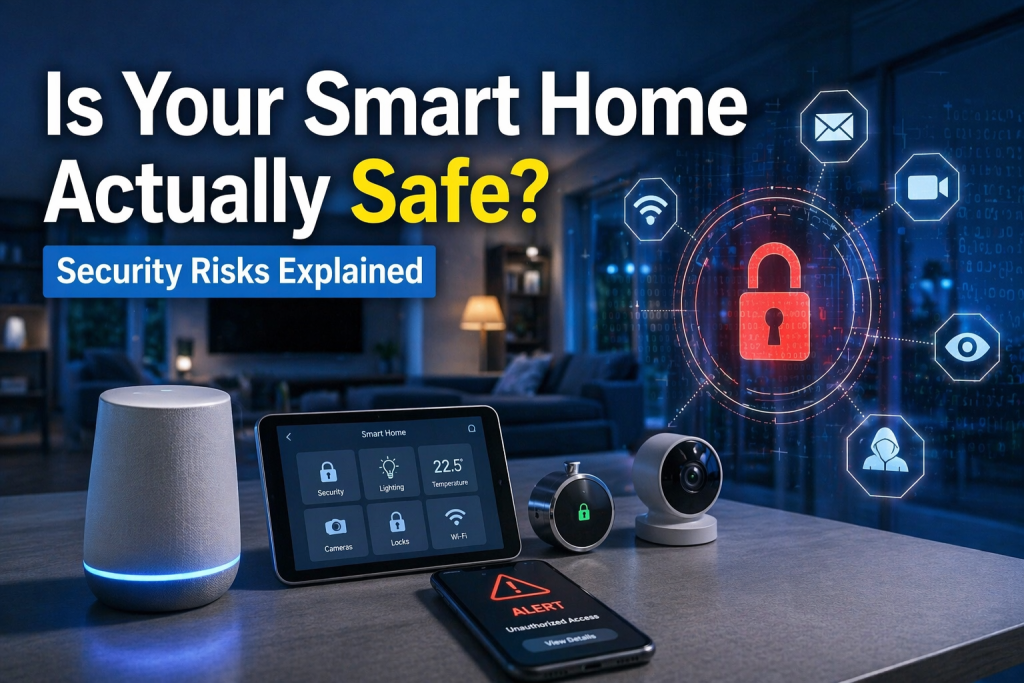
What Is a Smart Home and Why It’s Growing Fast
A smart home is no longer a futuristic concept reserved for tech enthusiasts; it has become a mainstream lifestyle powered by connected devices and intelligent automation. From smart thermostats to voice assistants, modern households are increasingly adopting Internet of Things (IoT) devices to improve convenience, efficiency, and energy savings. The appeal is simple—imagine controlling your lights, security cameras, and even your coffee machine from your smartphone. This seamless integration of technology creates a highly personalized living environment that adapts to your needs, making everyday tasks easier and more efficient.
The growth of smart home technology has been explosive, driven by affordability and accessibility. Millions of households worldwide now rely on devices like smart locks, connected appliances, and AI-powered assistants. However, this rapid expansion comes with a hidden cost: security vulnerabilities. Every connected device becomes a potential entry point for cybercriminals. While convenience is the selling point, the underlying infrastructure often lacks robust protection, leaving users exposed. As adoption continues to rise, understanding the risks associated with smart homes becomes essential for anyone who values privacy and digital safety.
Why Smart Home Security Matters More Than Ever
The importance of smart home security cannot be overstated in today’s hyper-connected world. Cyber threats are evolving at an alarming rate, and hackers are increasingly targeting IoT devices because they are often easier to exploit than traditional computers. Unlike laptops or smartphones, many smart devices lack advanced security features, making them attractive targets for cybercriminals. Once compromised, these devices can be used to spy on users, steal sensitive data, or even launch larger cyberattacks.
Real-world incidents have shown just how serious these risks can be. There have been cases where hackers gained access to smart cameras and monitored households in real time, creating a deeply unsettling invasion of privacy. In other scenarios, attackers have taken control of smart locks or alarm systems, posing physical security threats. These examples highlight a crucial reality: a vulnerable smart home is not just a digital risk—it’s a real-world danger. As technology continues to integrate deeper into our lives, securing these systems becomes not just important but absolutely necessary.
Common Smart Home Devices That Can Be Hacked
Not all smart devices are created equal when it comes to security, and some are significantly more vulnerable than others. Smart cameras and video doorbells are among the most targeted devices because they provide direct access to visual and audio data. If compromised, these devices can allow hackers to watch your home in real time, turning a security tool into a surveillance risk. The irony is striking—devices designed to protect your home can sometimes become the very tools used to invade it.
Smart speakers and voice assistants also present unique security challenges. These devices are always listening for commands, which means they constantly process audio data. Hackers can exploit vulnerabilities to intercept conversations or manipulate commands. Additionally, devices like smart TVs, thermostats, and even connected refrigerators can serve as entry points into your home network. Once a hacker gains access to one device, they can potentially move laterally across your entire system. This interconnected nature makes smart homes convenient but also amplifies the impact of a single security breach.
How Hackers Actually Break Into Smart Homes
Understanding how hackers infiltrate smart home systems is the first step toward preventing attacks. One of the most common methods is exploiting weak passwords. Many users stick to simple, easy-to-remember passwords or reuse the same credentials across multiple devices. This creates a golden opportunity for attackers who use automated tools to guess login information. Once inside, they can gain control over devices or access sensitive data without much resistance.
Another major vulnerability lies in unsecured home networks. Many smart devices connect to Wi-Fi networks that lack proper encryption or security configurations. Hackers can intercept data transmitted between devices or exploit outdated firmware to gain access. Additionally, some devices come with default settings that are rarely changed by users, making them easy targets. Think of your smart home as a digital house—if you leave the door unlocked, it’s only a matter of time before someone walks in. Strengthening your network security is crucial to keeping intruders out.
The Biggest Security Risks You Should Know
One of the most significant concerns in smart home security is data privacy. Smart devices collect vast amounts of information, from your daily routines to your voice commands. This data is often stored in the cloud, making it vulnerable to breaches. If hackers gain access, they can build detailed profiles of your habits, which can be used for identity theft or targeted scams. The idea that someone could know when you’re home, asleep, or away is both unsettling and dangerous.
Another major risk is unauthorized device control. Imagine a scenario where a hacker takes over your smart thermostat, security system, or even your door locks. While it may sound like a scene from a movie, it’s a real possibility. These attacks can disrupt your daily life and, in extreme cases, compromise your physical safety. The interconnected nature of smart homes means that a single vulnerability can have a cascading effect, impacting multiple devices simultaneously. This makes proactive security measures essential for maintaining control over your digital environment.
Are Big Brands Really Secure?
Many consumers assume that buying devices from well-known brands guarantees top-level security, but this is not always the case. While major companies invest heavily in cybersecurity, no system is completely immune to vulnerabilities. Even reputable brands have experienced security breaches or discovered flaws in their products. The complexity of smart home ecosystems makes it challenging to eliminate every potential risk, especially as new threats continue to emerge.
At the same time, large companies often provide regular updates and built-in security features that smaller brands may lack. These include encryption protocols, two-factor authentication, and advanced monitoring systems. However, these features are only effective if users actively enable and maintain them. Relying solely on brand reputation can create a false sense of security. Ultimately, the responsibility for protecting your smart home is shared between manufacturers and users, making awareness and proactive measures essential.
How to Secure Your Smart Home Effectively
Securing your smart home devices doesn’t have to be complicated, but it does require consistency and attention to detail. Start with strong, unique passwords for each device and account. Avoid using default credentials, and consider using a password manager to keep track of complex combinations. Enabling two-factor authentication (2FA) adds an extra layer of protection, making it significantly harder for attackers to gain access even if they have your password.
Your home network is the backbone of your smart home, so protecting it is crucial. Use a secure Wi-Fi network with strong encryption, and consider setting up a separate network specifically for your smart devices. This isolates them from your main devices, reducing the risk of widespread compromise. Regularly monitoring your network activity can also help you detect suspicious behavior early. Think of these measures as building a digital fortress around your home—each layer of security makes it harder for intruders to break in.
The Role of Software Updates and Patches
One of the simplest yet most overlooked aspects of smart home security is keeping devices updated. Manufacturers regularly release software updates to fix vulnerabilities and improve performance. Ignoring these updates leaves your devices exposed to known exploits that hackers can easily take advantage of. It’s like leaving a known weakness in your home’s security system unaddressed—it only takes one exploit to cause significant damage.
Automatic updates can help ensure that your devices stay protected without requiring constant attention. However, not all devices support this feature, so manual checks may be necessary. Staying informed about updates and applying them promptly is a small effort that can have a big impact on your overall security. In a world where cyber threats evolve rapidly, keeping your devices up to date is one of the most effective ways to stay ahead of potential attacks.
Future of Smart Home Security
The future of smart home security is being shaped by advancements in artificial intelligence and machine learning. These technologies can analyze patterns, detect anomalies, and respond to threats in real time. Imagine a system that recognizes unusual activity on your network and automatically blocks it before any damage occurs. This level of proactive protection is becoming increasingly possible as technology evolves.
At the same time, users can expect more privacy-focused features and stricter regulations aimed at protecting consumer data. Companies are under growing pressure to prioritize security and transparency, which could lead to safer and more reliable devices. However, technology alone is not enough. Users must remain vigilant and informed, as human behavior often plays a significant role in security breaches. The combination of advanced technology and responsible usage will define the next generation of smart home safety.
Conclusion
Smart homes offer incredible convenience, but they also come with significant security risks that cannot be ignored. From vulnerable devices to weak network configurations, the potential threats are real and constantly evolving. The good news is that most risks can be mitigated with the right knowledge and proactive measures. By understanding how these systems work and taking steps to secure them, you can enjoy the benefits of smart technology without compromising your safety.
FAQs
1. Are smart homes easy to hack?
Smart homes can be vulnerable if not properly secured, especially with weak passwords and outdated software.
2. What is the most vulnerable smart home device?
Smart cameras and doorbells are often the most targeted due to their access to visual and audio data.
3. How can I protect my smart home network?
Use strong passwords, enable encryption, and consider a separate network for smart devices.
4. Do software updates really improve security?
Yes, updates fix vulnerabilities and protect against known threats, making them essential for safety.
5. Is it safe to use voice assistants?
They are generally safe if properly configured, but users should manage privacy settings carefully.